
A garage is a very important place for our house. Here, we store our vehicles, essential tools, and repair tool kits. Extreme temperature might affect the functionality of this tool kits. So, it is essential to maintain this garage’s correct indoor climate. You know, the biggest opening in the garage is the door. So, you must use a garage door seal to seal it. It shields the interior space of your garage from all sorts of natural calamities.
There is a wide range of garage door types. Consecutively, there are diverse types of garage door seals. This is the main subject of our today’s article.
What Is a Garage Door Seal?
A garage door seal is an integral part of keeping a garage protected. It protects against outdoor elements. It also makes indoor safer and more energy efficient.
According to the definition, a garage door seal is a barrier that keeps outside elements out. It protects the interior from moisture, debris, pests, and drafts into the garage area through the gaps around the door’s perimeter.
The materials used for making a garage weather stripping can be different. Each material offers unique advantages. Here are some popular materials used in garage door weather stripping manufacturing.
- Rubber: Commonly used for bottom seals due to flexibility & durability
- Vinyl: Offers good resistance to weather elements and is easy to install
- Neoprene: Known for its excellent sealing properties and resistance to oils
- EPDM: Provides good weather resistance & durability.
- Other materials are PVC, brush, foam, aluminum, and steel.
Garage door weather stripping offers numerous advantages. These benefits make this special product popular in a wide range of applications.
- The garage weather stripping helps keep the garage at a steady temperature. It lowers the cost of energy.
- It protects the garage from rain, snow, wind, and extreme temperatures.
- The garage weather stripping blocks entry for insects, rodents, and other pests.
- It minimizes outdoor noise infiltration. The garage and house are quieter and more peaceful because of it.
- It prevents debris accumulation.
Garage Door Seal Types
Different types of garage door seals come in due to various reasons. First, garage doors come in various styles and materials. For the perfect fit, different types of garage door seals are made. Second, seals are crucial to withstand different weather conditions. Thus, a diverse range of garage door weather stripping is available.
Third, homeowners may have preferences for certain seal materials. There are other reasons as well. Based on the application’s popularity, we have divided garage door weather stripping types into the following categories.
Garage Door Bottom Seal
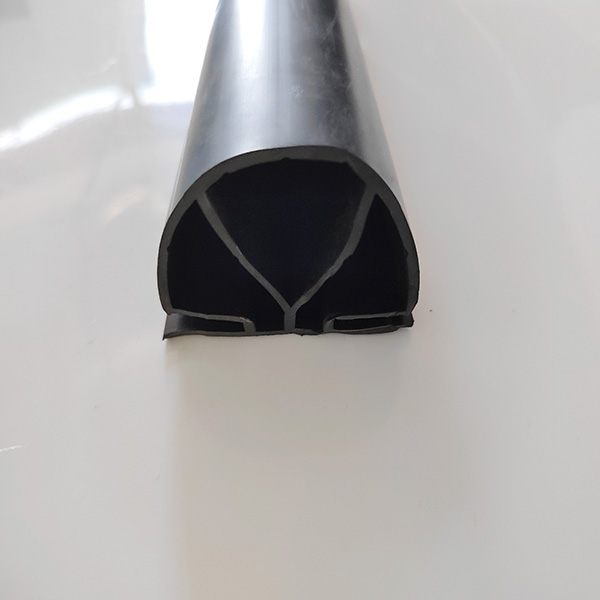
A garage door bottom seal is a type of weatherproofing component. When closed, it’s meant to seal the gap between the door’s bottom and the floor. Blocking air, dirt, bugs, and water from entering the garage is its primary purpose.
The garage door lower seal also helps to protect the garage and its items from water damage during rainy seasons. There are different kinds of garage door bottom seals. Most people like the bulb type, the beading type, the J-type, and the T-type. Each of these types has its own perks and ways of being installed.
Bulb Type Garage Door Bottom Seal
A bulb-type garage door bottom seal features a bulb-shaped sealing mechanism. Its design ensures it fits perfectly into the bottom edge of the garage door.
Bulb seals are often found on both home and business garage doors. It makes both insulation and weatherproofing better. This type differs from others because of how they are built and how easily they can be compressed. Because its shape is like a bulb, it makes for a better tight fit.
Beaded Type Garage Door Bottom Seal
The Beaded Type Garage Door Bottom Seal is a common variant. These are also prevalent in sealing the bottom edge of garage doors. It features a series of beads or ridges along its length. It interlocks with corresponding tracks or channels on the bottom of the garage door.
What sets them apart is their effective barrier against external elements. The beaded design ensures a tight seal, even on irregular surfaces.
J-Type Garage Door Bottom Seal
A J-type garage door bottom seal is a specific type of weather stripping. It features flexible rubber or vinyl materials shaped like the letter “J.” It has one side attached to the bottom of the garage door. The other side forms a seal against the ground.
This seal is commonly used in residential and commercial garage doors. Its unique J-shape design allows for effective sealing. It also accommodates variations in floor level and movement of the door.
T-Type Garage Door Bottom Seal
A T-type garage door bottom seal is a type of weatherstripping. It is designed to seal the garage door bottom and the floor tightly. It features a T-shaped design that inserts into a specially designed groove on the bottom of the garage door.
This seal is primarily used on sectional garage doors. What makes it unique is its effective barrier against various elements. It provides easy installation and enhanced protection.
Garage Threshold Seal
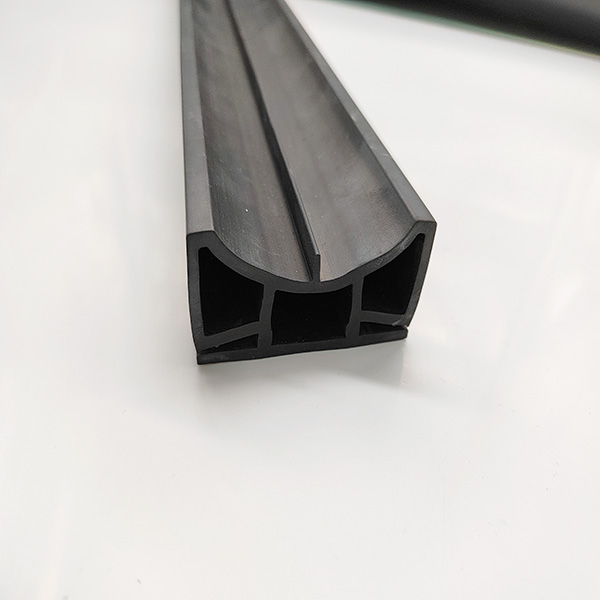
A garage threshold seal is a durable rubber or vinyl barrier at the bottom of a garage door opening. It primarily blocks out drafts, debris, insects, and water from entering the garage beneath the door.
Other types of seals are attached directly to the bottom of the door. But this type is installed directly onto the garage floor. This unique placement ensures a tight seal, even on uneven surfaces.
Brush Seal
Another common type of garage door weatherstripping is the garage brush seal. It has nylon or polypropylene brushes that are flexible.
Rigid seals work best on smooth surfaces. On the other hand, garage door brush covers work best on areas that aren’t level. These weather stripping are great for garage floors that aren’t level because of this.
Doorstop Weather-Stripping
A doorstop weather-stripping is a special kind of garage weather stripping. It is put in place along the sides and top of the garage door frame where it meets the walls. It’s meant to make a tight lock when the door is shut and keep outside elements out.
Unlike bottom or threshold seals, doorstop weather-stripping targets the parameters. Its unique design uses a stretchy material that ensures it fits well and keeps you warm.
Panel Weatherstripping

Garage panel weatherstripping is a particular type of garage door weatherstripping. Its main purpose is to make a tight seal between panels. It keeps drafts, wetness, and trash out of the garage like other garage door weather stripping.
The unique thing about panel weatherstripping is that it is made to fit perfectly in the spaces between panels. This type is different because it focuses on sealing the bottom or sides of the door.
Reverse Angle Seal
Another kind of garage weather stripping is a reverse-angle garage door seal. This type differs from others because it is attached to the door frame. Along the side and top of the door, this uncommon location helps keep outside factors from getting into the garage.
What Is the Best Way to Seal a Garage Door?
The best way to seal a garage door involves a systematic approach. All you have to do is take the right steps. The five steps below are usually followed.
Assessment & preparation
First, begin by checking the condition of the existing seal on the garage door. Identify if there are any areas of leakage or damage. Measure the dimensions of the garage weather stripping and prepare sufficient tools for removal and installation. Note that this step is essential to ensure accurate replacement.
Removal
Carefully remove the old seals from the garage door. Remember, you must do it cautiously to avoid damaging the door or surrounding structures. Use appropriate tools (pliers or a pry bar) to gently detach the seals from the fixtures.
Installation
Choose the appropriate type of garage door seal based on climate, door type, and budget. Install the new seals according to manufacturer instructions. Do you know why it is necessary? It ensures optimal fit along the side of the garage door.
Final adjustment
After installation, make any necessary adjustments. This may involve trimming excess material or adjusting the positioning of the seals. Careful adjustments are necessary to ensure optimal coverage.
Maintenance
Regularly check the garage door seals for signs of damage. Periodically clean them to get rid of dirt or other things that are stuck on them. Replace seals on a garage door if necessary.
Frequently Asked Questions
Q1. How Do I Know What Garage Door Bottom Seal I Need?
Answer: Consider a few things to find the proper garage door bottom seal. These are the weather, the type of door (metal or wood), and the seal material. If your chosen product meets your needs, it will work well and last long.
Q2. How Do I Know If My Garage Door Seal Is Bad?
Answer: The garage weather stripping may get damaged, such as wear and tear, cracks, or brittleness. Also, think about these things if you notice wind, water getting in, or louder noises. You should immediately repair the garage door lock if you see any of these signs.
Q3. Are There Different Size Garage Door Seals?
Answer: Most types of garage doors come with standard sizes. There are but ways to make it fit doors of different sizes. These choices guarantee a good fit and cover against weather and pests.