
We all are more or less familiar with hydraulic systems. We often see these systems in vehicles, machines, and construction gear. Hydraulic hoses are an important part of these systems. You can realize the significance of picking the right hose for these systems. You know, hydraulic hoses come in different styles. The discussion on the spiral vs braided hose is the most important in this case.
Today, we will talk about the basics of these two hydraulic hoses. You will learn their fundamental differences. In the end, you can select the right option for your application. Note that choosing the wrong option may bring severe consequences. We will also talk about that later. Let’s get started.
What is a Spiral Hose?
As the name implies, this hydraulic hose is also known as a spiral wire hydraulic hose. This kind of hydraulic hose is excellent to work in harsh circumstances. It can handle high pressure and harsh working circumstances.
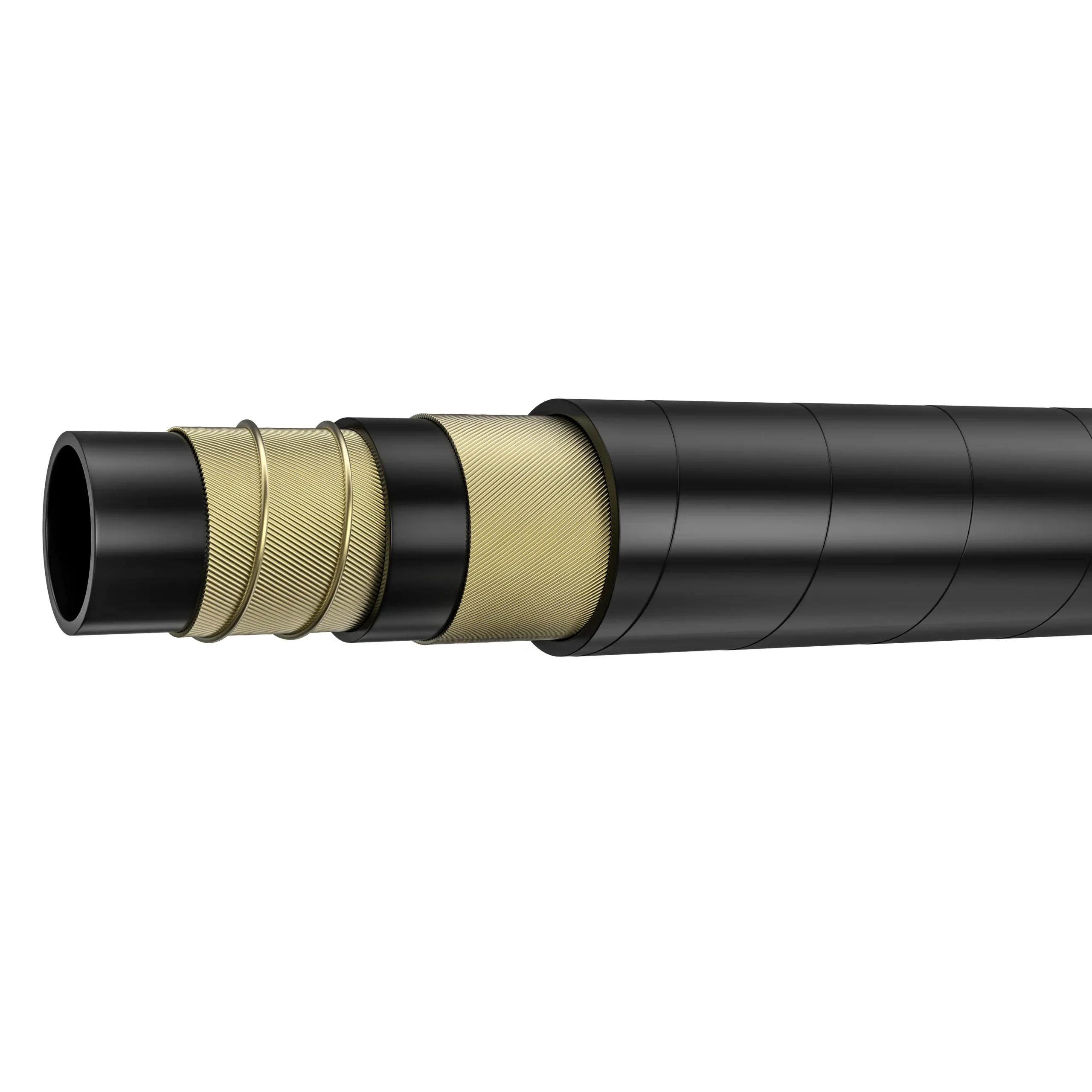
It comprises many layers of reinforcements arranged in a circular shape. Most of the time, this spiral comes with a high-tensile steel wire. The structure of a spiral hose consists of several key components.
Inner tube
The innermost layer of the hose. Synthetic rubber or thermoplastic are important materials for the inner tube. It serves as the conduit for hydraulic fluid.
Reinforcement layers
Spiral hoses have multiple layers of reinforcement. It consists of high-strength steel wires arranged in a helical or spiral pattern. These reinforcement layers provide the hose with the ability to withstand high pressure. It also resists deformation under load.
Cover
It is the outermost layer of the hose. It typically keeps the inner layers safe from wear and tear, corrosion, and damage from the surroundings. This cover is typically made of synthetic rubber or thermoplastic material, reinforced with textile or wire braids. It typically adds durability.
Fittings
A connector or fitting is at each end of a spiral tube. It makes it easier to connect to hydraulic parts.
Advantages of Spiral Hydraulic Hose
High-pressure handling capability
One of the best things about spiral lines is this. It is built so that spiral hoses can handle very high pressures. The spiral design makes the structure strong. Because of this mix, these hoses work consistently, even in harsh conditions. Because of this, spiral hoses are essential in machinery, construction, and mining equipment.
Suitable for Impulse Applications
When there are rapid pressure spikes or impulses, spiral hoses work great. This benefit comes from the fact that they are well-built and designed. This ensures they can handle such quick changes in pressure without losing effectiveness.
Easy Handling & Installation
Even though they are durable, spiral hydraulic hoses are surprisingly lightweight. Because of this, they are easy to handle and set up. It makes upkeep & repairs easier and takes less time. They are also flexible enough to work with different routing setups. Overall, it makes the startup process easier.
Cost-effective
Spiral hydraulic hoses are less expensive than braided hydraulic hoses. Because they are cost-effective, spiral hydraulic hoses are good for many industries. It cuts down on operating expenses without lowering the quality or durability of the product.
Disadvantages of Spiral Hydraulic Hose
One problem with spiral hydraulic tubes is that they are not very flexible. It could make it harder to use them in some settings or setups. In addition, they may be likely to break easily. It could happen, especially in very bad circumstances. It could cause downtime and safety risks if installed or kept incorrectly.
What is a Braided Hose?
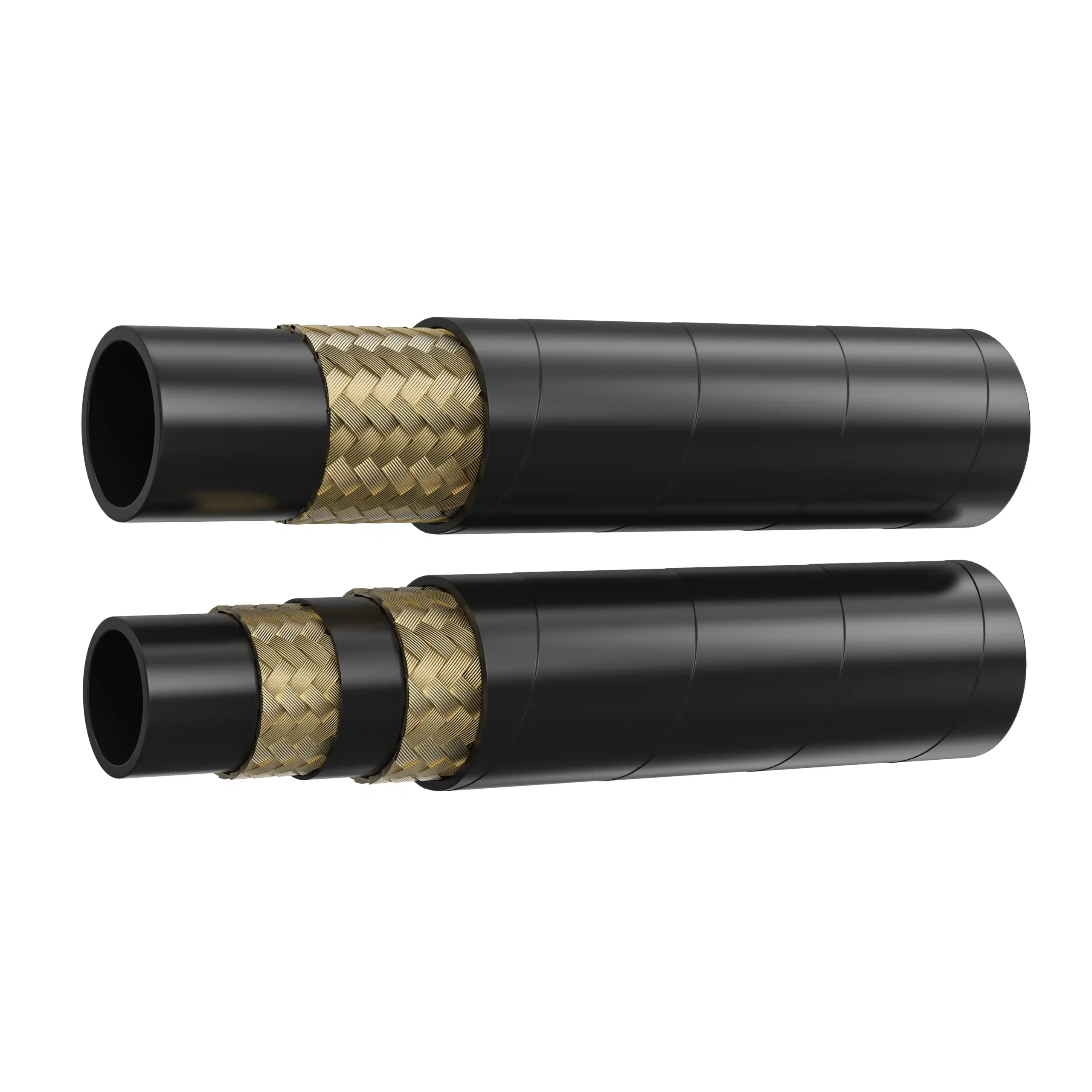
A braided hose is a hydraulic hose with a reinforced top layer. This layer usually comes with the strands of wire or fabric that are twisted together. This reinforcement gives the hose more strength and longevity. It is prevalent in several different high-pressure hydraulic systems.
The structure of a braided hose typically consists of three main layers.
The innermost Layer
This layer is known as the inner tube. This layer is in charge of transporting the hydraulic fluid. Most of the time, it’s made of thermoplastic or synthetic rubber. These materials are great because they could handle the transmission of the hydraulic fluid. Indeed, the right materials can stand up to wear and chemical breakdown.
The middle layer
This layer of the hose is the reinforcement layer. This layer gives the hose its strength and ability to handle pressure. Multiple strands of wire or fabric make up this support layer in braided hoses. The pattern of braiding may be different based on what the hose needs. As a result, it actually spreads the pressure on the hose equally and keeps it from expanding when it is under a lot of stress.
The Outer Layer
The outer layer is also known as the cover. The cover keeps the hose safe from UV rays and bad weather. Most of the time, thermoplastic or synthetic rubber are common materials. It may have reinforced layers with additional layers for durability.
Advantages of Braided Hydraulic Hose
Robust Construction
Braided hydraulic hoses come with multiple layers of strong materials. It provides durability & resistance to wear and tear. This design ensures that your hose works perfectly, even in harsh environments.
Suitable for Low-frequency Applications
Braided hoses are suitable for low-frequency applications. Braided hoses are famous for uses that need to be flexible and easy to set up. The way they are built lets fluids flow smoothly through them. Because of this, you can use them without worrying about how well they work.
Ideal for High-Pressure Applications
Braided hoses do well in high-pressure applications due to their reinforced structure. The braided layers make it stronger and more stable. It makes the hose strong enough to handle much pressure without breaking. Because of this, they are better for hydraulic devices that work under very high pressure.
High Flexibility
Braided hydraulic hoses are very flexible, even though they are made to be strong. This adaptability makes planning and installation easy. Even in tight spaces or complex hydraulic systems, these hoses work great. The ability to move and bend without getting kinked or stopping fluid flow. It makes braided cables more useful and flexible for various projects.
Disadvantages of Braided Hydraulic Hose
For sudden uses, braided hydraulic hoses might not be the best choice. Because of how they are made, these hoses can’t handle sudden changes in pressure. It’s possible that the braided layers won’t offer enough support to handle quick changes in pressure. It could cause the hose to break.
Braided hydraulic hoses tend to be bigger than spiral hoses. It can be hard to work with in small areas or situations where being compact is important. Because they are bigger, they need more room for hydraulic systems to be installed and routed.
Spiral vs Braided Hose: Which is Better?
Both spiral hose and braided hose are popular hydraulic systems. Each offers unique benefits and disadvantages that you have seen in the previous few sections. Evaluating the application requirements is very important when choosing the right option for your project. The following table tells you which would be the best for your project.
Table 1 Spiral vs Braided Hose
| Aspect | Spiral Hose | Braided Hose |
| Construction | Multiple layers wound in a spiral pattern | Layers braided around a central core |
| Flexibility | Moderate | High |
| Pressure Handling | High | Moderate to High |
| Durability | Excellent | Good |
| Abrasion resistance | Excellent | Moderate |
| Cost | Cheaper | More Expensive |
| Suitable Application | High-pressure, rugged environments | Low-frequency, tight spaces, moderate pressure |
| Common use | Heavy Machinery, construction equipment | Automotive, aerospace, industrial machinery |
What Happens if you choose the wrong Hydraulic Hose?
Picking the wrong hydraulic hose can cause several problems. If you don’t choose the right hose, it could break under the system’s pressure. It could lead to leaks, loss of fluid, and even fatal failure of equipment.
If you use a hose that isn’t flexible enough, it can wear out quickly, leak, and damage the system. Inappropriate hose selection can also result in inefficiencies. It could also lead to higher repair costs, downtime, and safety risks.
Pressure rating, flexibility, material compatibility, and environmental factors are important to think about. In fact, this will ensure that the hose works well and that the system is reliable.
Returning Questions
What is the life expectancy of a braided hose?
If you place and take care of the hose properly, it should last at least 10 to 20 years. But it depends on how it’s used, how well it’s maintained, and how good the products are. In normal situations, a braided hose that is well taken care of can last for several years. But it might not last as long if it is used a lot or in harsh settings.
What is the best material for a hose?
Which material makes the best hose relies on what it will be used for and how it will be used. The most common materials are thermoplastics, synthetic rubber, and stainless steel. Synthetic rubber can be used for many things. Plastic that is flexible and doesn’t react with chemicals is called thermoplastic. Stainless steel, on the other hand, works well in places with high pressure and very high temperatures.
What is the most durable type of hose? (Spiral vs Braided Hose)
Spiral hose is considered the most durable hydraulic hose. All kinds of hydraulic tasks can be done with this kind of hydraulic hose. On the other hand, braided hose might not work well in sudden situations. Since they are used for different things, spiral hoses are the most lasting.