
Rubber and silicone are two popular materials that are used all the time. Both of these elements are very important in many different fields. You can find them in automotive, aerospace, healthcare, electronics, and many more. Of course, each has its own benefits. Even though they do have some drawbacks as well. Knowing these pros and cons lets you choose the suitable material for your project. This article, “Rubber vs. Silicone,” can be beneficial in this case.
Today, we’ll talk about the basic features of these two well-known elements. We will talk about what they are, the different kinds of them, their qualities, their pros and cons. We’ll also make a chart to show how rubber and silicone differ in simple ways. Most importantly, we will figure out which is better for your job.
What Is Rubber?
Rubber is a versatile elastomer. Naturally, it is derived from the latex sap of certain plants. Synthetically, they are petroleum-based compounds. Rubber has some unique qualities. It has excellent strength, elasticity, and flexibility. So, rubber is very popular in many industries.
Rubber finds wide applications in many industries. Some of the industries are:
- Automotive industries use rubber in tires, belts, hoses, gaskets, and seals.
- Construction industries use rubber in seals, gaskets, and vibration isolators.
- Electronic industries use rubber to make keypads, grommets, and insulation components.
- Medical industries use rubber to make gloves, tubing, seals, and other medical devices.
- Sports & recreation industries use rubber to make balls, mats, and flooring.
Types Of Rubber & Their Applications
There are two major types of rubber: natural rubber and synthetic rubber. One comes from rubber trees naturally, and the other is made in a factory.
Natural Rubber
Natural Rubber is a polymer derived from the latex sap of rubber trees. It has unique properties. They are cheap and easy to harvest. Natural rubber can stretch significantly and return to its original shape when released. It offers excellent elasticity and flexibility. It has good resistance to tearing and abrasion. Natural rubber offers good adhesion properties. As a result, it is ideal for bonding applications.
Natural rubbers are used in many areas, such as cars, factories, hospitals, market items, and more.
Synthetic Rubber
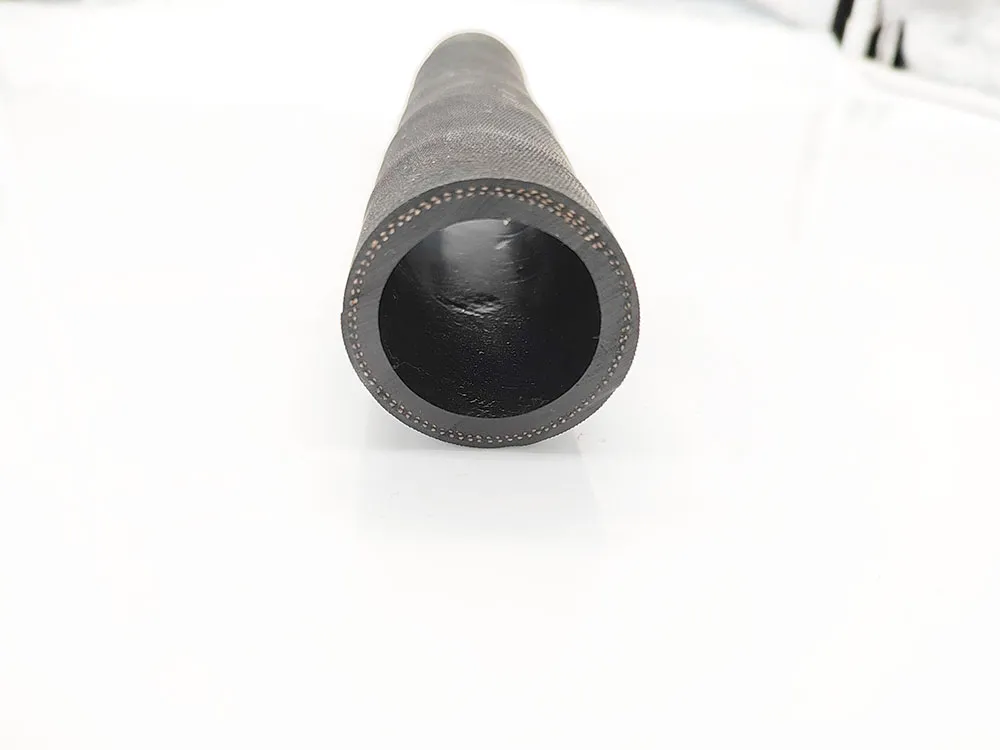
Synthetic rubber, on the other hand, is made through chemical processes. They have different types, and each offers unique properties and benefits. Nitrile Rubber (NBR), Neoprene, Ethylene-propylene diene monomer (EPDM), and more.
| Synthetic Rubber | Properties | Applications |
| Nitrile Rubber (NBR) | Excellent Oil & fuel resistance, Good abrasion resistance, High Tensile resistance | Automotive seals and gaskets, O-rings, fuel hoses, gloves |
| Neoprene Rubber | Good weather resistance, excellent ozone resistance, flame retardant and excellent flexibility over a wide temperature range | Weatherstripping, wetsuits, industrial hoses, cable jackets |
| EPDM Rubber | Excellent weathering resistance, good resistance to ozone and UV exposure, high elasticity and flexibility | Roofing membranes, automotive seals and gaskets, outdoor electrical insulation, radiator hoses |
What Is Silicone?
A lot of the time, we get silicone and silicon mixed up. These are two different kinds of stuff. Silicon is a chemical, while silicone is a man-made product.
Silicone is a synthetic polymer made up of silicon, oxygen, and hydrogen atoms. It usually comes from a process called silicone synthesis. To make silicone polymers, chemicals based on silicon are polymerized in this process.
It is also a versatile material. They are especially popular for their wide range of applications. Their unique properties are:
- Silicone can withstand extreme temperatures. It can work in both very low and high temperatures.
- It is highly flexible and elastic. It can stretch and bend without breaking.
- Silicone is chemically inert. Therefore, it is resistant to many chemicals, acids, and solvents.
- It also has excellent water-repellent properties. As a result, it is resistant to moisture, water, and humidity.
Types Of Silicone & Their Applications
Silicone has diverse types. The reason behind this diversity is industrial and consumer requirements. Well, if we do research on their types, we generally find 4 major types: HTV & RTV, silicone rubber, liquid silicone, and fluoro silicone.
HTV & RTV
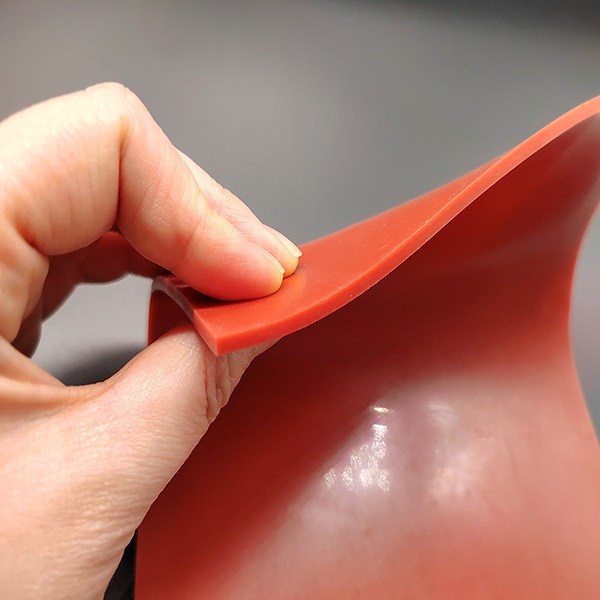
HTV stands for High-Temperature vulcanized, and RTV for Room-temperature vulcanized. The main difference between these two silicones is how they cure. For HTV to vulcanize, it needs to be heated up very hot. RTV rubber, on the other hand, cures at room temperature.
HTV is ideal for applications requiring high-temperature resistance. Gaskets, seals, and industrial parts are some of the most popular items. RTV is ideal for casting, molding, potting, and encapsulation applications. They are often found in electronics, construction, and prototype industries.
Silicone Rubber
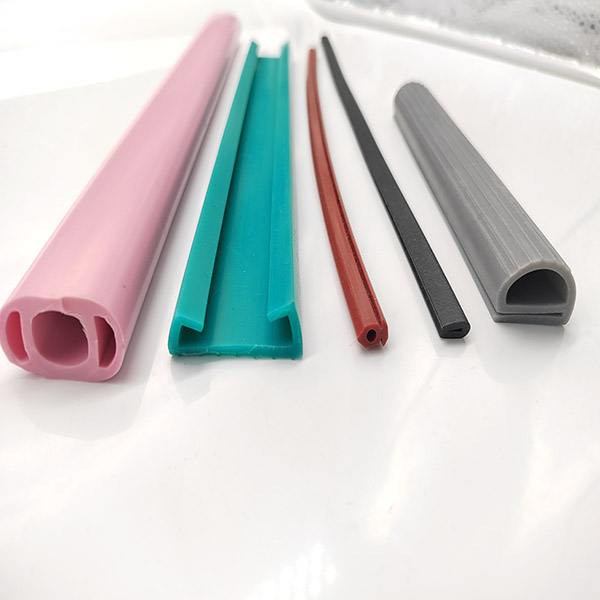
As the name implies, this material offers properties of both silicone and rubber. They are so famous for their flexibility, heat resistance, and durability. They also have various types. The type of silicone varies based on different requirements.
Fluoro silicone
Fluoro silicone is an element that has the abilities of both silicone and fluorine. Compared to regular silicone, it is better at resisting fuels, oils, solvents, and chemicals.
This material is widely used in the military, aircraft, and automobile industries. Gaskets, seals, o-rings, and other items are popular.
Liquid Silicone
LSR is easy to work with, cures quickly, and has great tensile qualities. Because of these qualities, LSR can be used for parts with complicated shapes.
LSR is popular in injection molding and over-molding applications. Popular products are medical devices, implants, keypads, seals, gaskets, and more.
What Is the Difference Between Silicone and Rubber?
People use both rubber and silicone for a lot of different things. Still, they are not the same. We have learned the basics of rubber and silicone in the previous sections. See the table below to understand the main differences between them quickly.
| Criteria | Rubber | Silicone |
| Exposure to sunlight, UV light, and ozone | Susceptible to degradation over time when exposed | Resistant to degradation and maintains integrity |
| Resistant to heat | Natural rubber up to (85°C), Synthetic rubber (300°C) | Operating temperature from -60°C up to +230°C |
| Resistance to Chemicals & Fungi | Varies depending on type; may degrade in some chemicals | High resistance to chemicals and fungi |
| Insulation Properties | Good Electrical Insulation | Excellent electrical insulation |
| Longevity | Durability depends on the type and condition of use | Long-lasting; maintains properties over time |
| Cost-effectiveness | Typically, cheaper than silicone; it varies based on type and application | Generally expensive than rubber |
Rubber vs Silicone: Exposure to Sunlight, UV Light, And Ozone
Sunshine, UV light, and ozone are more likely to break down rubbers. It cracks, gets harder, and loses its flexibility over time. Note that EPDM is ideal for outdoor applications. It means that this rubber can withstand sunlight, UV light, and ozone exposures.
Silicone, on the other hand, offers excellent resistance to sunlight, UV light, and ozone. Even after being exposed to these factors for a long time, it keeps its qualities and flexibility.
Rubber vs Silicone: Resistance to Heat
Rubber can stand up to a wide range of temperatures. Temperatures of up to 85°C won’t hurt natural rubber. Silicone rubber, on the other hand, can handle temperatures up to 350°C.
Silicone works best at temperatures between -60°C and +230°C. It shows that silicone can be used in situations with both high and low temperatures.
Rubber vs Silicone: Resistance to Chemicals & Fungi
Rubber’s chemical resistance varies depending on the type of rubber. For example, natural rubber, SBR, and EPDM may not be suitable for chemical use. But NBR, PU, FKM, or FPM may be the best for chemical uses.
Silicone provides excellent resistance to various chemicals, oils, and solvents. As a result, it is durable in harsh environments. In addition, silicone is inherently resistant to fungal growth.
Rubber vs Silicone: Insulation Properties
Rubber is a great electrical insulator. We often find it in applications where electrical insulation is necessary. But compared to rubber, silicone is a better option. It’s great at higher temperatures, in particular. It keeps its insulating strength over a wide range of temperatures.
Rubber vs Silicone: Longevity
Natural rubber and SBR come with a lifespan of 3-5 years. Neoprene, EPDM, and Nitrile give you 5-10 years of life. Consecutively, Viton and Silicone give you more than 20 years of shelf life. Clearly, we can see that silicone offers the highest durability.
Rubber vs Silicone: Cost-Effectiveness
Most of the time, rubber products are cheaper than silicone ones. You should know that they are so cheap because they are used in lower temperatures and less difficult situations.
On the other hand, silicone costs more than rubber. They are expensive because they have better qualities and work better in many situations. In many cases, the higher original cost is also worth it because it lasts longer and is resistant to external factors.
Is Rubber Better Than Silicone?
Choosing the right material depends on a few factors. Needed specs, how much it costs, and how long it’s supposed to last are important things to consider. Rubber may be preferred for applications requiring high elasticity. This might be great for making things resistant to some chemicals. But silicone works better in places with high temperatures. It is very flexible and doesn’t harm organisms.
There may be differences between the two products in how cost-effective they are and how easy they are to make. Besides that, you should also think about what it will be used for. Keep in mind that rubber is perfect for making gaskets, conveyor belts, and seals for cars. But silicone is great for making medical tools, cooking tools, and covers that can withstand high temperatures.
Conclusion
The qualities of rubber and silicone are not the same. In different situations, they both have their own perks. Consider the things we discussed today when choosing between these two items. For more information, feel free to contact our customer support.